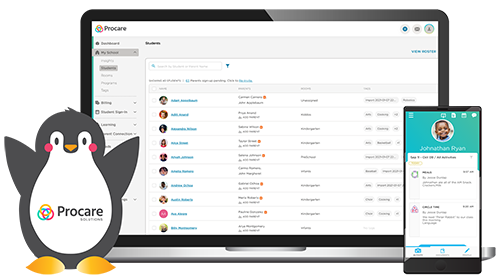



Providing a safe environment for kids is one of the key missions of your child care center.
To make it easier for you to keep every child in your center safe, we’ve put together this checklist of some of the most important things you can monitor to maintain the high safety standards of your center.
Our outdoor and indoor safety checklist for your daycare or preschool will give you safety rules for every area of your center. We’ll look at best practices for staff training, safety equipment, play areas, outdoor equipment and more. Plus, we’ve included tips on how and why to implement these steps so you can easily put them into practice at your child care center.
How to Use this Child Care Safety Checklist
A safety inspection should be a regular part of the routine at your child care center. You’ll need to monitor staff training, facilities, equipment and procedures to make sure your center is as safe as it can be. To know that you’ve covered all the bases, it helps to use a checklist that will let you compare your center’s safety practices to the latest standards.
You can download, print and copy this daycare safety checklist to help keep your center safe. You can mark each item yes/no, or use a point scale. Use it in daily, weekly or monthly reviews to check how your center is doing against safety standards. You can also measure your progress over time to see how your center’s safety is improving.
Free Report
2023 Child Care Industry Trends Report
We conducted an email survey of more than 100,000 child care leaders and teachers. See what they had to say about the current state of the industry.

Indoor Child Care Safety Checklist
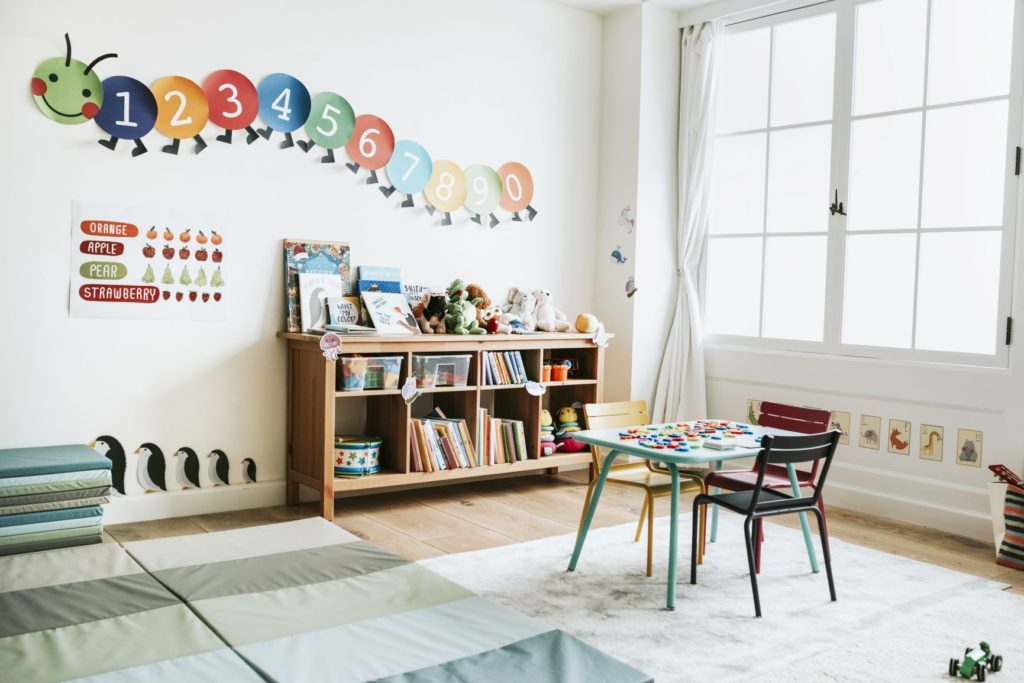
Staff training and responsibilities
- You should have at least one staff member with up-to-date CPR and first aid training present at all times in case of emergency. Check with your local regulations for training that may be required of all staff.
- Always focus on supervising children, rather than interacting with each other, so that children are never unattended.
- Maintain adequate staff-to-child ratios. Ideal staff-to-child ratios depend on the age group and class size, but they generally range from 1:3 to 1:12.
- Mouth safety is key. Teach and enforce mouth safety for young children, drawing a clear distinction that non-food objects shouldn’t be put in mouths.
- Teach and enforce safe use of toys, tools and equipment by children, such as:
- safe scissor use
- proper use of riding toys
- toys not hurled or used as weapons
- Ensure that young children are not wearing clothing with drawstrings, as this can be a strangulation hazard. Encourage parents to choose clothes with Velcro and snaps instead of drawstrings.
- Closely monitor children when they’re interacting with class pets.
Room security
- Room access should be secured so that children cannot enter or leave without supervision.
- Block staircases at both the top and bottom with childproof gates to prevent falls.
- Staff should have a clear view of the entire room, with no blind spots where a child could hide out of sight.
- Teacher items, such as personal effects, staplers, scissors, knives and cleaning supplies must be kept out of child reach.
Play area
- Keep the play area clean and take care of spills immediately to prevent slip-and-falls and hygiene hazards.
- Avoid cluttering the play area. Children can be encouraged to tidy up after themselves by using a simple, easy-to-understand organization system.
- Check toys and games thoroughly for possible choking hazards. Pro tip: A toilet paper tube can be used to test whether an item presents a risk to a toddler’s windpipe.
- All toys and other items should be in good condition, with no peeling paint, cracks, loose parts, sharp edges or other hazards.
- Sanitize toys daily to prevent the growth of viruses and bacteria that can cause illnesses and odors.
Infant areas
- Make sure infant sleeping furniture, such as cribs, are SIDS-proof. They should contain no pillows, stuffed animals, bumpers, loose blankets or anything else that could obstruct an infant’s breathing.
- Clean and sanitize changing tables and stock them with plenty of supplies such as diapers, baby wipes, etc.
- Clean all infant furniture frequently, with sanitizing changing tables after each use.
Furnishings and fixtures
- Make sure all furniture, equipment and decor is clean and well-maintained without peeling paint or loose parts. These present choking/eating hazards.
- Verify that all furniture and fixtures are sturdy and secured to a wall or floor so they do not wobble or topple when used as a support or climbed on by a child. Even heavy furniture can fall over when a child climbs on it.
- Use safe and non-skid rugs, either attached to the floor with double-sided tape or placed on top of a non-skid rubber mat to prevent tripping.
- Keep any hot surfaces such as stoves, hotplates or kettles out of child reach.
- Cover electrical outlets with safety caps when not in use to prevent electrical shock.
Safety equipment and procedures
- The first-aid kit at your center should be well-stocked and frequently checked for missing items and expired medications. Make sure it includes items such as:
- Bandages and gauze
- Forehead strip thermometer
- Acetaminophen and ibuprofen
- Tweezers
- Alcohol wipes
- Ensure that drop-off and pick-up procedures at your center are secure and account for every child. A child care security system can help you keep accurate, real-time dropoff and pickup records, improve security and keep your building safe.
- Closely monitor attendance. Attendance tracking software can help make sure you know the whereabouts of all the kids in your care.
- Check your center frequently for recalled products that could pose a safety hazard, and replace them immediately when discovered.
- Keep fire safety equipment on hand and test or maintain it frequently. Ensure that fire extinguishers are not expired and that staff know how to use them. Test your smoke detectors monthly.
- Have an evacuation plan for your center, and practice fire drills or evacuation drills regularly.
- Use carbon monoxide detectors, test them monthly and change the batteries every six months.
Outdoor Child Care Safety Checklist
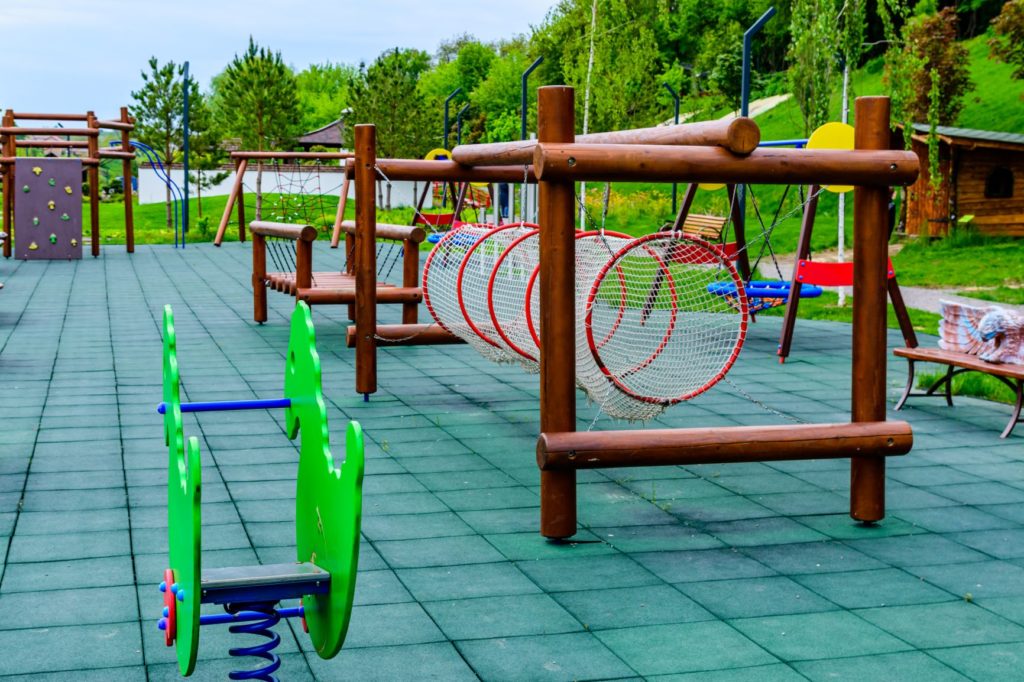
Staff training and responsibilities
- Observe children at all times, and have a clear line of sight to every location within the playground.
- Teach children how to use equipment safely and enforce safety rules such as feet-first sliding, no jumping from swings.
- Maintain adequate staff-to-child ratios, with staff evenly placed throughout the yard to allow supervision of all children.
- Perform head counts while leaving and entering the building to monitor every child’s location.
Yard setup and maintenance
- Securely fence off the outdoor area to prevent outside access into the yard.
- Fences shouldn’t be climbable — ensure there are no nearby trees, platforms or equipment that could allow children to climb.
- Make sure the yard has enough space for children to play actively without colliding into each other or into any fixed objects such as trees or play equipment.
- Frequently inspect the outdoor area for trash, yard debris, animal waste and other refuse that could harm or be misused by children.
- Install safe, shock-absorbing surfaces in any active play areas to prevent injuries in case of falls. Materials can include sand, deep mulch or rubber mats.
- Eliminate any blind spots where a child could hide in the outdoor area.
- Secure all adult-use items such as lawn and garden equipment and chemicals.
- Check the yard for tripping and strangulation hazards such as branches or dangling cords.
Play equipment
- Play equipment should not have any protruding or loose screws, sharp edges or other hazards.
- Securely attach equipment to the ground, and ensure it’s sturdy and supports the weight of children.
- Check that equipment is in good condition and well-maintained, without rusting or chipped paint.
- Always use helmets when riding wheeled toys.
- Ensure all play equipment is developmentally appropriate for the children who will use it.
- Put metal equipment, such as slides, in a shaded area to avoid heating and burns on sunny days.
- Make sure you have secure guard rails on any elevated platforms to prevent falls.
Free Template
Child Care Emergency Contact Form
This child care emergency contact form template includes parent/caregiver information, other authorized emergency contacts and child medical information.
Elevate Childcare Safety at Your Daycare or Preschool with Procare Solutions
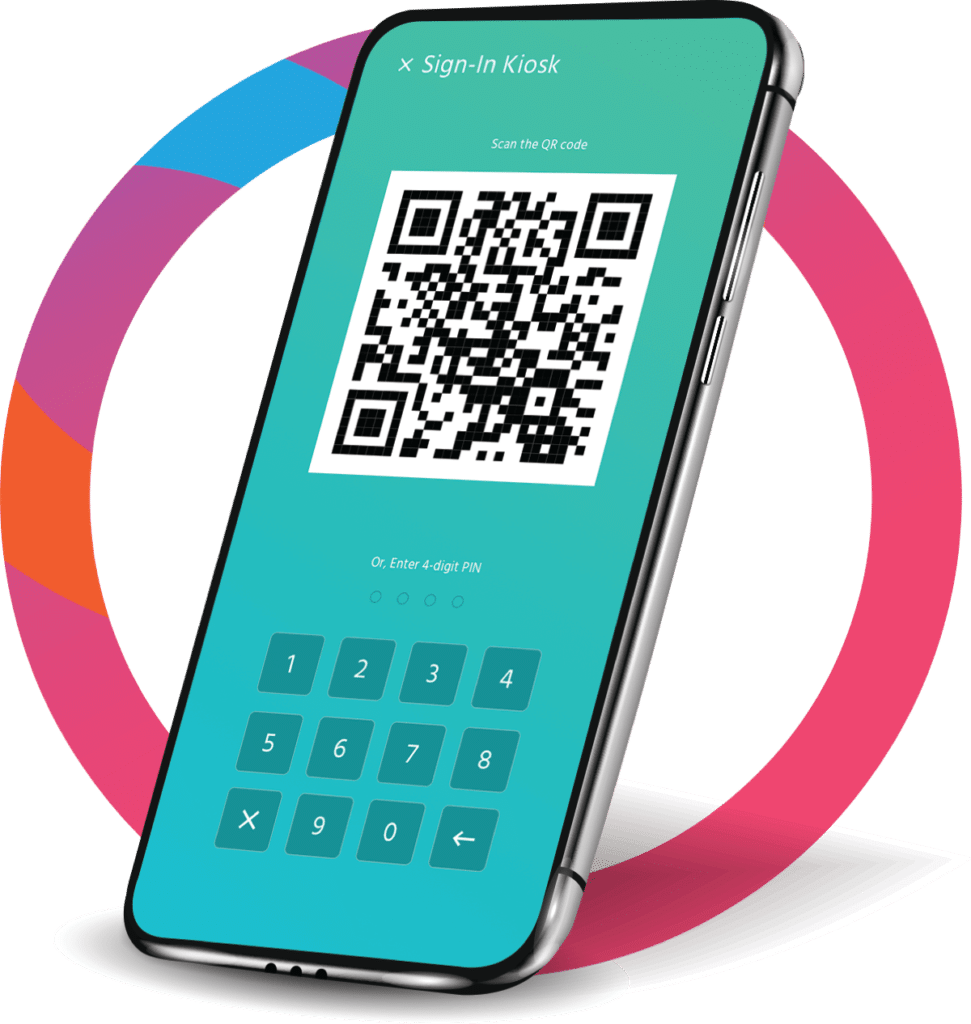
You want to do everything you can to keep the kids in your care safe. Once you’re done assessing your daycare center with our safety tips, you might be wondering how you can make it easier to implement safety measures at your center. Procare Solutions offers cutting-edge child care security equipment and safety features that can bring your center extra peace of mind.
With keyless entry and interior door control, your building will be secured from outside access. Biometric check-in scanners and real-time, contactless pickup/dropoff records streamline safety practices during the busiest times of day. With Procare’s child care app, you’ll be able to easily track student attendance and monitor staff-child ratios so that you never lose sight of a child for even a minute.
Want to learn more about how you can make safety at your center simpler than ever?
Request a Demo
Talk with a friendly Procare expert to get a tailored child care solution for the unique needs of your business.